Why Eco-Conscious Australians Are Opting for Natural Sunscreen
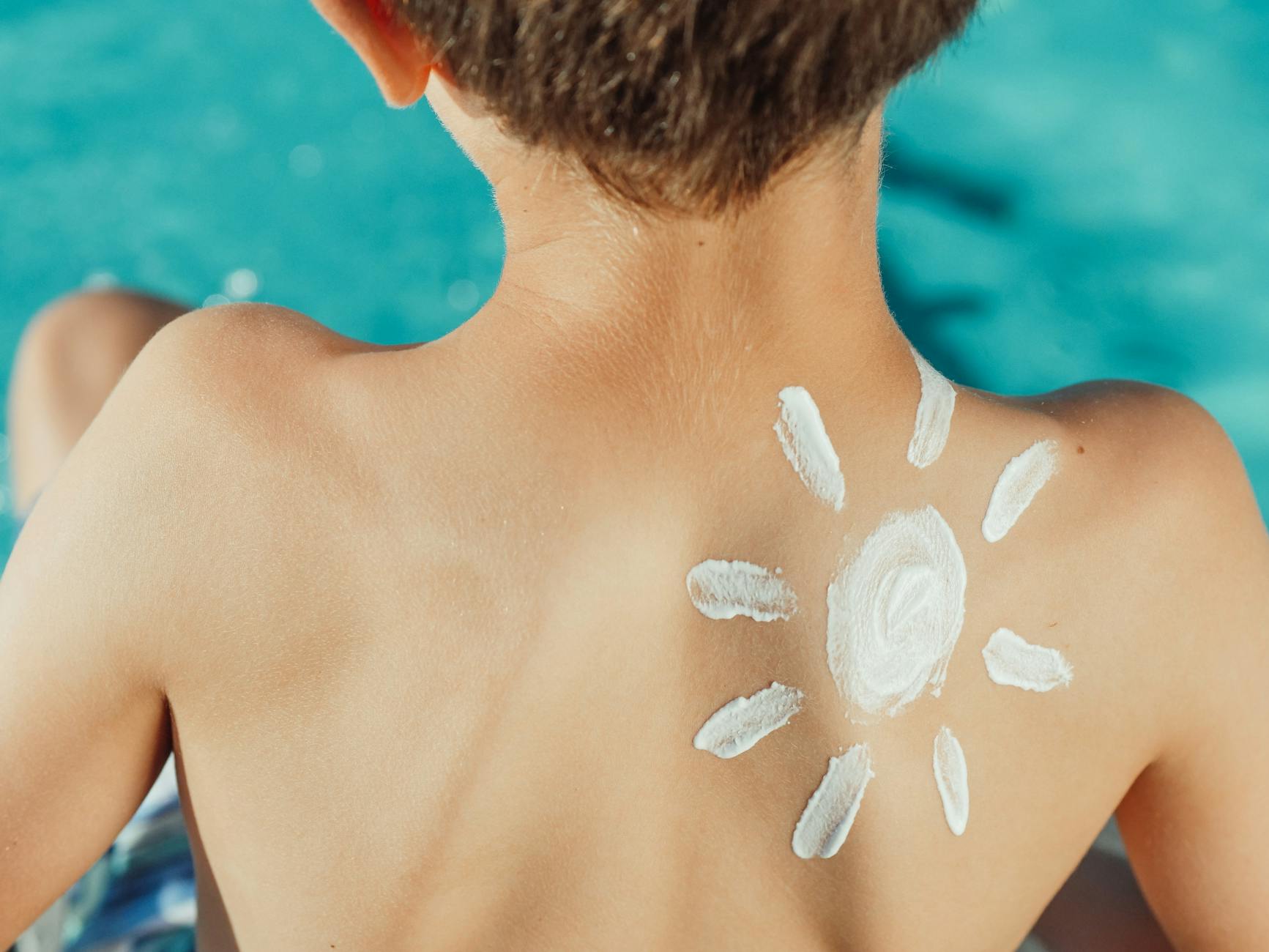
Rise of Natural Sunscreen
The rise of natural sunscreen options is becoming a prominent subject among environmentally concerned Australians. As our awareness of the potential hazards that traditional sunscreens pose to our delicate marine ecosystems grows, more individuals are beginning to consider the ecological footprint of their skincare products. Discussions around the impact of chemicals like oxybenzone and octinoxate have highlighted their detrimental effects on marine life, leading many people to seek alternatives that align with their values.
When we talk about choosing a reef safe sunscreen, we're discussing a commitment to preserving our cherished coral reefs while protecting our skin. Conversations within the sustainability community—such as those fostered by initiatives at the Royal Botanic Gardens Victoria—emphasise the importance of environmentally friendly products. The eco-conscious community understands the significance of promoting products that do not contribute to coral bleaching or harm marine organisms.
This growing awareness has fueled an increase in the availability of eco-friendly products on the market. Companies are responding to consumer demand by developing sun care options that are kind to both our skin and the ocean. The transition towards sustainable products is not just a trend but a necessary response to environmental imperatives. As more individuals join this movement, the future looks promising for our planet's aquatic wonders.
Benefits of Natural Sunscreen
Reef-Safe Formulas
Australia's diverse marine ecosystems, like those near St Kilda Beach's marine conservation area, significantly benefit from the shift to natural sunscreens. Traditional sunscreens often contain chemicals like oxybenzone and octinoxate, which can harm delicate coral reefs. Natural sunscreens, conversely, use mineral-based ingredients such as zinc oxide and titanium dioxide, ensuring they’re reef-safe and do not contribute to coral bleaching. For those of us actively working to safeguard marine biodiversity, choosing products that prioritise reef health is crucial.
Skin Health Advantages
Opting for natural sunscreens isn't just about protecting the environment—it also brings significant benefits to our skin. Unlike many traditional options, natural formulas are crafted without synthetic additives and harsh chemicals, catering to more sensitive skin types. They typically feature nourishing elements like jojoba oil and aloe vera, which not only protect but also hydrate and soothe the skin. When considering kids sunscreen, it's particularly important to choose those that prioritise gentle, natural compositions to ensure skin safety and wellness for our little ones.
Biodegradable Packaging
In the pursuit of sustainability, the packaging of natural sunscreens often aligns with eco-friendly initiatives seen in places like CERES Community Environment Park. Many brands now commit to using biodegradable and recyclable materials, reducing landfill waste and supporting a cleaner environment. This ecological approach in packaging encourages responsible disposal and aids in lowering the overall carbon footprint associated with sunscreens. By supporting these initiatives, we contribute to a broader movement aimed at conserving our planet’s health and resources.
Selecting the Right Sunscreen
When it comes to selecting the right sunscreen, particularly if you're concerned about both your health and the environment, it's vital to pay close attention to the ingredients. A significant feature to consider is zinc oxide, known for its ability to provide broad-spectrum protection without harming marine biodiversity. Visiting places like the St Kilda Beach's marine conservation area in Melbourne, you gain appreciation for conscientious choices that preserve marine life baby sunscreen.
Key Ingredients to Look For
Look for sunscreens that list non-nano zinc oxide or titanium dioxide as the main active ingredients. These are safer alternatives that do not compromise coral reef health. On labels, you'll also want to notice the absence of oxybenzone and octinoxate, chemicals linked to coral bleaching.
Certification and Labels
Always check for certifications that indicate the product's adherence to environmental standards. Labels like "reef-safe" or "eco-certified" are not just marketing buzzwords; they testify to stringent testing. However, it's also essential to research these certifications as they vary in rigour.
Application and Usage Tips
To maximise effectiveness and sustainability, apply the sunscreen generously and reapply every two hours, especially after swimming, sweating, or towel drying. Consider packaging innovations, such as biodegradable tubes, which further lessen your environmental impact. Making these mindful choices connects you to a broader community committed to sustainability, akin to the eco-friendly initiatives at the CERES Community Environment Park.
Challenges and Opportunities
Consumer Skepticism and Education
As a sustainability advocate focused on natural products, I've noticed that different perspectives on eco-friendly sunscreens can cause some skepticism among consumers. This uncertainty often stems from misinformation or a general lack of understanding about what makes zinc sunscreen a more environmentally sound choice. It's crucial to inform and educate about the harmful effects of conventional sunscreens, particularly on marine ecosystems like St Kilda Beach's marine conservation area.
Innovation in Sunscreen Formulations
Fortunately, the beauty industry is gaining momentum with innovative sunscreen formulations that cater to both consumer needs and environmental concerns. Advances like transparent zinc oxide and mineral-based compositions show promise, providing effective UV protection while minimizing ecological impact. These innovations offer hope for those keen on making more conscientious choices and show a path forward for developing sunscreens that don't compromise on safety or sustainability.
Overcoming Supply Chain Issues
Despite the progress, the journey isn't without its hurdles. One significant challenge is the supply chain for natural ingredients, which can sometimes be unstable due to fluctuating demand and climatic changes. Collaboration with eco-friendly suppliers and investing in resilient agricultural practices can foster a more reliable supply chain. This ensures that eco-conscious products remain accessible to those who value both their skin health and the planet's wellbeing.
Common Mistakes in Sunscreen Use
Neglecting UV-Protection Steps
Many people still underestimate the power of thorough UV protection, especially here in Melbourne where our vibrant outdoor lifestyle often takes us to the sun-kissed trails of the Royal Botanic Gardens Victoria or the beautiful sands of St Kilda Beach's marine conservation area. Failing to apply enough sunscreen or missing spots like the ears, neck, and tops of feet can compromise your safety. A proper application means you need to cover all exposed areas generously, applying sunscreen at least 20 minutes before heading out. Remember that not all sunscreens are created equal; prioritising those made from a reef-safe, mineral base ensures both personal and environmental benefits.
Misunderstanding SPF Ratings
Decoding SPF ratings can sometimes resemble cracking a code. An SPF of 30 does not double the protection compared to an SPF of 15; instead, the protection increase is incremental. The numbers signify the theoretical time you can spend in the sun without burning versus unprotected skin. So, an SPF of 30 allows you 30 times the protection. It's crucial to factor in Australia’s high UV index and embrace a multi-layer approach that includes shady spots and protective clothing at local eco-friendly initiatives like CERES Community Environment Park.
Overlooking Expiry Dates
We often forget that sunscreen loses its efficacy past its expiry date. Imagine using an old product and basking in the sun, thinking you're shielded, only to discover sunburn later. Check expiry dates religiously and replace any outdated tubes. Make this a habit just like recycling or using composting toilets, as it's an eco-conscious step. Let’s make informed choices that respect both our skin and the planet.